
Who’s Responsible for Apartment Security – Tenant or Landlord?
Who’s Responsible for Apartment Security – Tenant or Landlord?
When it comes to apartment safety, many renters assume that their landlord is responsible for everything — from the locks to the lighting. But the truth is, security in a rental property is a shared responsibility. While landlords are legally required to provide a reasonably safe living environment, tenants also play a key role in protecting themselves and their belongings. Understanding who’s responsible for what can help prevent confusion, disputes, and — most importantly — unsafe living conditions.
Landlord Responsibilities: What They Must Provide
Landlords have a legal duty to ensure that rental units meet basic safety and security standards. These requirements can vary by state, but generally include the following:
1. Working Locks on Doors and Windows
Every exterior door and window should have functioning locks. Landlords are responsible for ensuring these are secure before a new tenant moves in.
Tip: If your locks feel loose or worn out, request that your landlord replace or repair them before move-in.
2. Proper Lighting in Common Areas
Hallways, parking lots, stairwells, and entryways should be well-lit to prevent accidents and discourage criminal activity. Poor lighting increases risk for everyone on the property.
3. Safe Entry Systems and Gates
If your building has controlled access (such as a gate or buzz-in system), it’s the landlord’s responsibility to keep those systems functional and promptly repair them when they fail.
4. Secure Mail and Package Areas
Apartment complexes should provide safe mailboxes or package lockers. If mail theft is a recurring problem, the landlord may be required to implement more secure systems.
5. Compliance with Local Safety Codes
Landlords must ensure that locks, lighting, and entry systems comply with city or state security regulations. In some states (like Texas, California, and New York), there are specific laws on deadbolt locks, peepholes, and key control.
6. Timely Repairs of Security Issues
If a tenant reports a broken lock or malfunctioning entry gate, landlords are obligated to fix it promptly. Ignoring such issues could make them legally liable if a crime occurs as a result.
Legal Note: Failing to address known security hazards can result in landlord negligence claims, especially if the issue contributed to theft, injury, or property loss.
Tenant Responsibilities: What You’re Expected to Do
While landlords must provide the basics, tenants are expected to take reasonable steps to keep their apartment secure.
1. Lock All Doors and Windows
It sounds simple, but many break-ins happen through unlocked entry points. Tenants should keep doors locked at all times — even when home — and double-check windows before leaving.
2. Use Renter-Friendly Security Devices
Tenants can legally install temporary, non-invasive devices such as door jammers, window alarms, or smart locks that don’t require drilling. Always remove them before moving out.
3. Protect Personal Property
Landlords aren’t responsible for theft of your personal belongings. Tenants should purchase renter’s insurance to cover losses due to burglary, fire, or water damage.
4. Report Maintenance or Security Issues Promptly
If you notice broken locks, dim lighting, or malfunctioning gates, report them to your landlord in writing. Keep a record of all maintenance requests for your own protection.
5. Be Mindful of Shared Spaces
Don’t prop open doors to the building, leave packages unattended, or share access codes with non-residents. Tenants have a duty to help maintain a safe environment for everyone.
6. Respect Lease Rules
Most leases include clauses about locks, keys, and security modifications. For example, some landlords require permission before you replace a deadbolt or add a camera. Always check your lease before making changes.
Shared Security Responsibilities
Some aspects of apartment security fall into a gray area where both landlord and tenant share responsibility.
1. Security Cameras in Common Areas
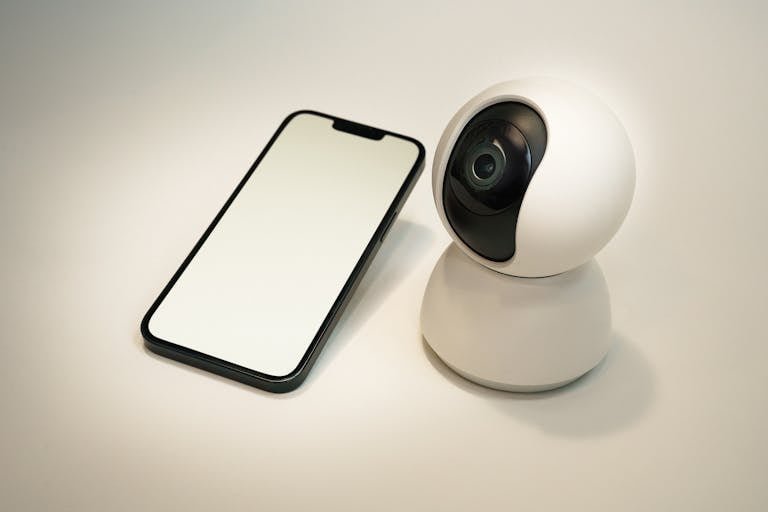
Landlords can install cameras in public areas like entrances or parking lots, but they can’t record inside private units. Tenants can install cameras inside their own apartments, provided they don’t capture shared hallways or other tenants’ doors.
2. Lighting Maintenance
Landlords must install lighting in common areas, but tenants should promptly report burned-out bulbs or dark spots.
3. Entry Systems and Intercoms
If a building has electronic entry or gate access, the landlord maintains the system — but tenants should not share access codes or buzz in unknown visitors.
4. Neighborhood Awareness
Both parties benefit from good communication. Tenants should inform management of suspicious activity, while landlords can keep residents updated on safety measures or incidents.
Expert Insights
Attorney Michelle Harper, who specializes in landlord-tenant law, explains:
“Security isn’t a one-sided obligation. Landlords provide the tools for safety, but tenants must actively use them. Courts often look at shared responsibility when determining liability for theft or injury.”
Security consultant Mark Rivera adds:
“The most common safety gaps come from neglect — not malfunctioning systems. When tenants and landlords both stay proactive, the risk of incidents drops dramatically.”
Comparison Table: Landlord vs. Tenant Responsibilities
| Security Element | Landlord Responsibility | Tenant Responsibility |
|---|---|---|
| Door & Window Locks | Install and maintain | Keep locked and report issues |
| Lighting in Common Areas | Provide and maintain | Report outages promptly |
| Entry Systems / Gates | Maintain and repair | Don’t share codes or prop open doors |
| Security Cameras | Install in public areas | Use indoor cameras responsibly |
| Package / Mail Safety | Provide secure area | Retrieve packages quickly |
| Personal Property | Provide safe unit | Purchase renter’s insurance |
| Repairs After Security Issues | Fix in reasonable time | Notify landlord immediately |
| Neighborhood Awareness | Share safety alerts | Stay vigilant and report suspicious activity |
Apartment Security Checklist
Understanding who’s responsible for apartment security helps you stay proactive and protected.
Download your free Apartment Security Checklist to ensure your apartment meets key safety standards before or after move-in.
Download Your Free Apartment Security Checklist Here
FAQs
Q: Can I change the locks on my apartment?
In most states, you need your landlord’s permission before changing locks. Always provide a spare key if you do.
Q: Is my landlord responsible if my belongings are stolen?
Usually not. Landlords are only liable if negligence on their part contributed to the theft, such as failing to repair a broken door lock.
Q: What if the building’s security gate is broken?
Notify your landlord immediately in writing. They must fix it within a reasonable time.
Q: Are landlords required to provide security cameras?
Not everywhere. Laws vary, but they are required to provide a reasonably secure environment, which may include cameras in high-crime areas.
Q: Can I install my own camera inside my apartment?
Yes, as long as it records only your personal space and does not violate others’ privacy.