
Your Apartment Move-In Safety Checklist
Your Apartment Move-In Safety Checklist
Moving into a new apartment is exciting — but before you unpack your boxes, it’s important to make sure your new home is safe, secure, and ready for comfortable living. Many renters overlook safety checks during the move-in process, only to discover small issues later that could’ve been fixed early on. Use this renter-friendly move-in safety checklist to protect your belongings, ensure peace of mind, and start your new chapter with confidence.
1. Check the Door Locks and Entry Points
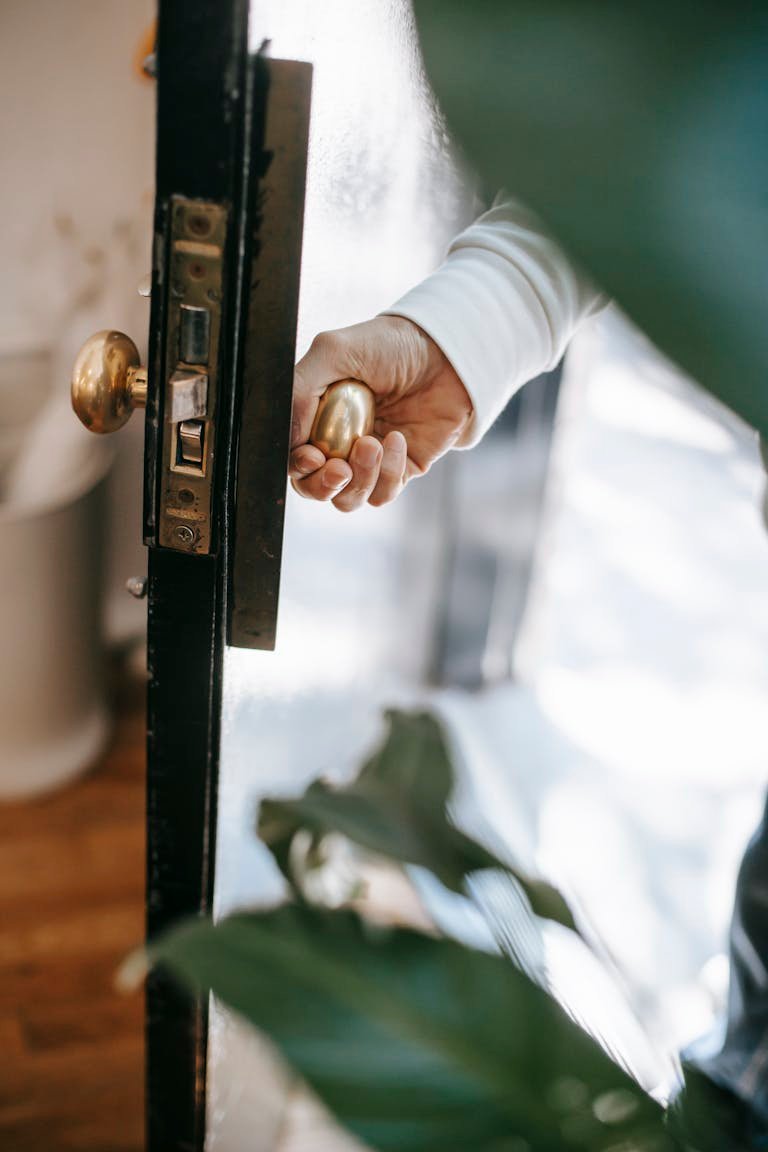
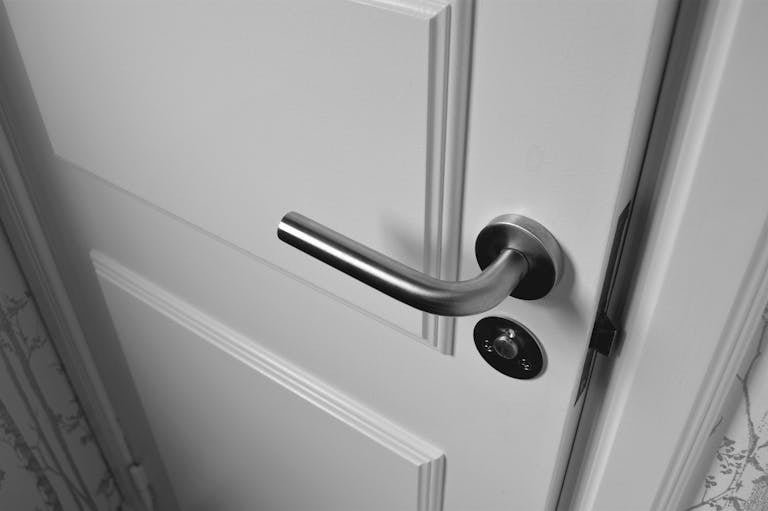
Before you move in, test every exterior door lock. Many apartments reuse locks from previous tenants — which means others might still have a key.
What to do:
- Request that your landlord rekey or replace all door locks
- Make sure deadbolts extend fully into the doorframe
- Add a portable door jammer or door security bar for extra protection
- Test peepholes to make sure they’re clear and at a good viewing height
Pro Tip: If your lease allows it, consider a no-drill smart lock that installs over your existing deadbolt for added security and convenience.
2. Inspect Windows and Sliding Doors
Windows are one of the most common entry points for intruders — especially on ground-floor or balcony units.
What to do:
- Ensure all window latches close securely
- Add window alarms or contact sensors that stick with adhesive pads
- Place a dowel rod or adjustable security bar in sliding door tracks
- Apply privacy window film if your apartment faces a busy area
Bonus: If your windows don’t have screens, ask your landlord to install them to prevent unwanted pests.
3. Test Smoke and Carbon Monoxide Detectors
Safety starts with working alarms. Detectors can expire or lose power — especially in older units.
What to do:
- Test all smoke and carbon monoxide detectors upon move-in
- Replace batteries immediately (even if they seem fine)
- Check the expiration date — detectors older than 10 years should be replaced
- Keep a small fire extinguisher in the kitchen and know how to use it
4. Review Electrical Outlets and Lighting
Faulty wiring or burned-out bulbs can cause fire hazards or safety risks.
What to do:
- Check for loose or sparking outlets
- Make sure hallway and entry lights work properly
- Add motion-activated night lights for entryways and bathrooms
- Avoid overloading extension cords or power strips
Pro Tip: Plug your electronics into surge protectors to prevent damage from power surges.
5. Secure Wi-Fi and Smart Devices
Your digital security is just as important as physical protection.
What to do:
- Set up your own secure Wi-Fi router — never rely solely on shared building Wi-Fi
- Change the default passwords on smart devices (locks, cameras, etc.)
- Use a VPN when using public or shared networks
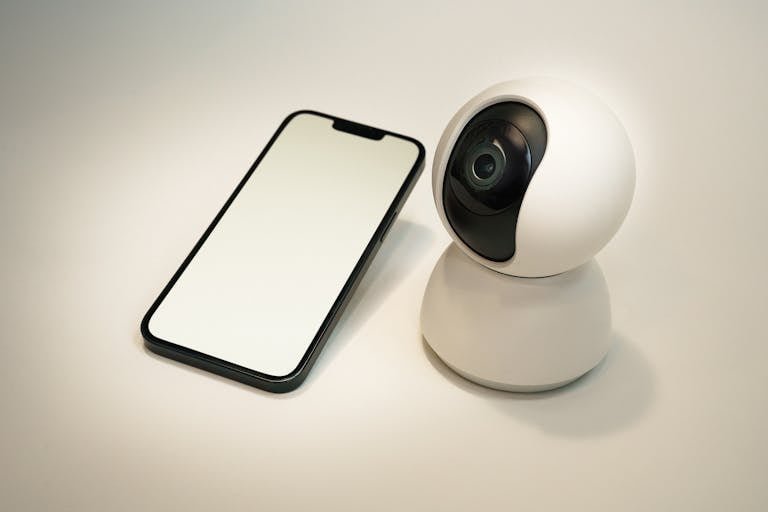
- If you use a Wi-Fi camera, ensure it’s password-protected and encrypted
Best Pick: Eufy SoloCam E40 – a privacy-focused, wireless camera with local storage that doesn’t depend on cloud accounts.
6. Inspect Common Areas for Safety
Shared spaces are part of apartment living, but they can also be weak spots for security.
What to do:
- Check that hallways, parking lots, and entrances are well-lit
- Confirm exterior doors lock automatically
- Note any broken lights or damaged locks and report them immediately
- Ask about security patrols, building cameras, or emergency contacts
Pro Tip: Always park in well-lit areas and avoid leaving valuables in your car overnight.
7. Create an Emergency Plan
Emergencies happen — knowing your exits and contacts can make all the difference.
What to do:
- Locate all fire exits and stairwells in your building
- Save important numbers (landlord, maintenance, emergency services) in your phone
- Identify the nearest hospital and police station
- Keep a basic emergency kit with flashlights, batteries, and a first-aid kit
Bonus Tip: Share your address and emergency plan with a trusted friend or family member.
8. Set Up Personal Safety Tools
Adding small, affordable security devices can make your apartment feel safer instantly.
What to do:
- Place door stop alarms behind entry doors
- Install wireless security cameras like the Blink Mini or Wyze Cam v3 Pro
- Use window alarms and motion sensors near vulnerable areas
- Keep a personal safety alarm or pepper spray keychain accessible when coming home at night
All of these options are renter-friendly, require no drilling, and can move with you when your lease ends.
Best Renter-Friendly Move-In Security Tools
| Product | Type | Installation | Smart Compatible | Price Range | Best For |
|---|---|---|---|---|---|
| Wyze Smart Lock Bolt | Smart Lock | No drilling | Alexa / Google | $60–$80 | Quick lock upgrade |
| Eufy SoloCam E40 | Wi-Fi Camera | Wireless | Alexa / HomeKit | $120–$150 | Monitoring entrances |
| DoorJammer Portable Lock | Door Reinforcement | None | N/A | $30–$40 | Preventing forced entry |
| GE Window/Door Alarm Set | Entry Sensor | Adhesive | N/A | $20–$30 | Basic window alerts |
| Ring Peephole Cam | Door Camera | Peephole mount | Alexa | $130–$160 | Apartment entry monitoring |
(As an Amazon Associate, ApartmentSecurity.org may earn a commission from qualifying purchases — at no extra cost to you.)
Apartment Security Checklist
Ready to make sure your apartment is 100% secure before move-in day?
Download your free Apartment Security Checklist (PDF) to get a printable version of this guide, complete with space to check off each item during your walkthrough.
Download Your Free Apartment Security Checklist Here
FAQs
Q: Should I rekey my apartment door when I move in?
Yes — always ask your landlord to rekey or replace locks for safety. It’s a small step that makes a big difference.
Q: What if the smoke detectors don’t work when I test them?
Report it immediately to your landlord or property manager — they’re legally required to replace or repair them.
Q: Can I install a camera inside my apartment?
Yes, as long as it only records your personal space and doesn’t point toward shared hallways or neighboring units.
Q: Are window alarms worth it?
Definitely. They’re inexpensive, loud, and can deter intruders before entry even happens.
Q: What’s the best time to check safety features?
Before you sign your lease or before moving furniture in. That way, repairs and upgrades can be requested early.